
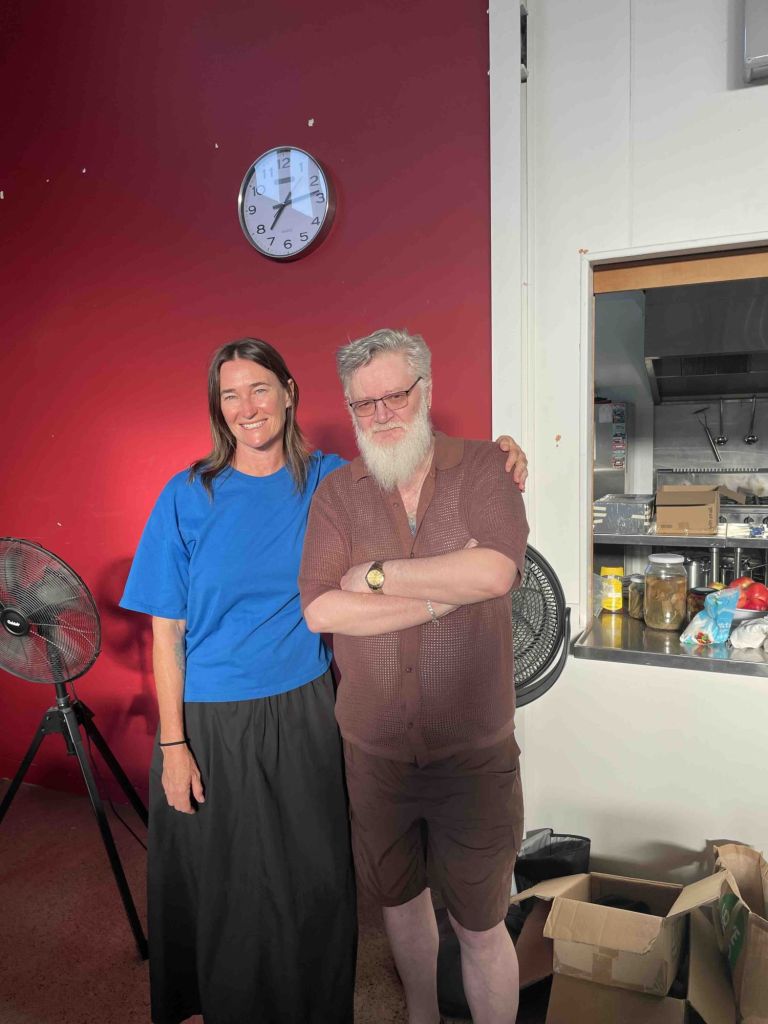
As a result of the Kai Conversations held last year, a group of us formed Kai Te Atatū.
Our shared vision is to connect people through food. As a network, we are committed to increasing access to and knowledge about good food.
To do this, we have begun organising and hosting monthly food-focused activations.
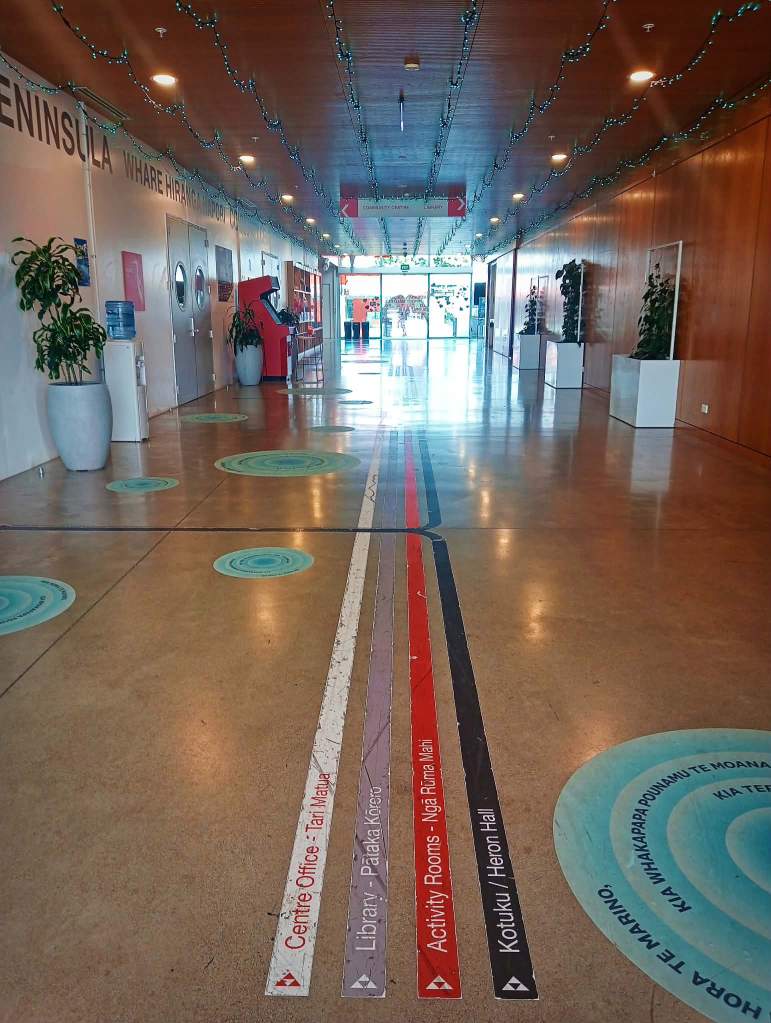
We get together one evening a month at the Te Atatū Peninsula Community Centre where we share kai, ideas, and
get things done.
If you have a food-related workshop idea, or would just like to know what we’re up to and how you might get
involved, email us at info@kaiteatatu.org, follow our social media pages or check our Volunteer Opportunities page for upcoming chances to participate.
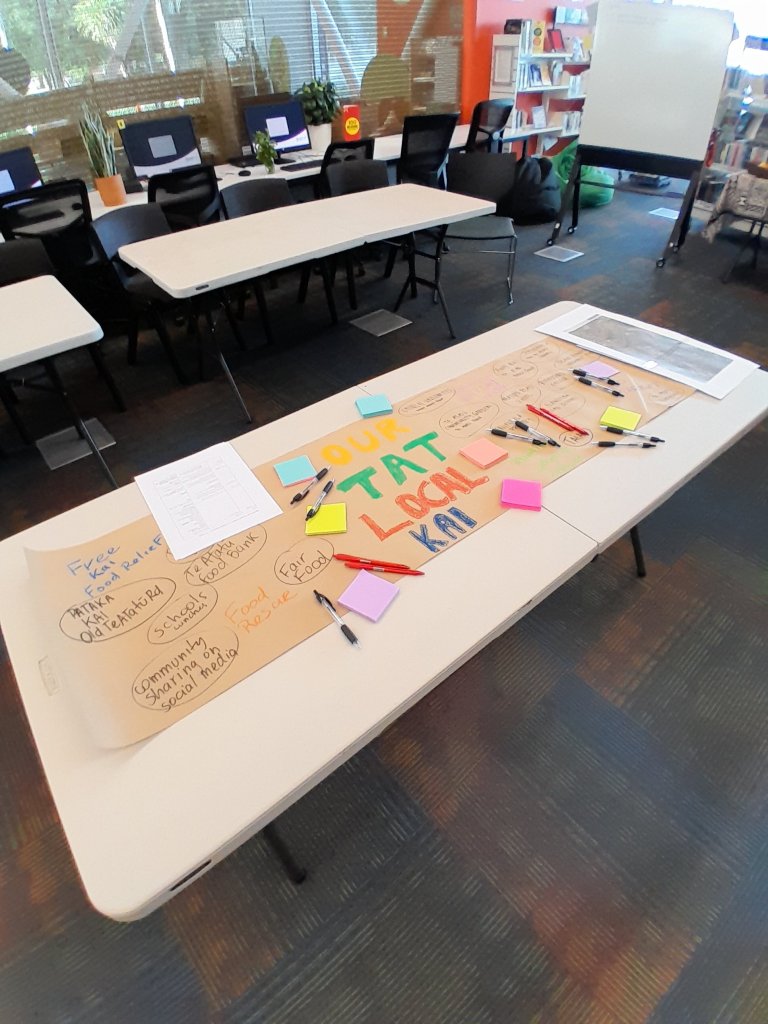
Imagining the future of Kai Te Atatū
Community insights and whakaaro from the first meeting were used to frame four design challenges, using “How Might We” questions to generate creative community-driven solutions. At the second meeting, participants were encouraged to have free-flowing discussions and share their perspectives, insights, and creative ideas for each design challenge. Then
participants worked as groups on theming, sense-making and shaping key ideas into more tangible concepts.
As the evening unfolded, it became clear that the blend of creativity and collaboration was leading to transformative ideas. Participants left the meeting inspired and eager to turn these concepts into reality with a renewed sense of connection and purpose.
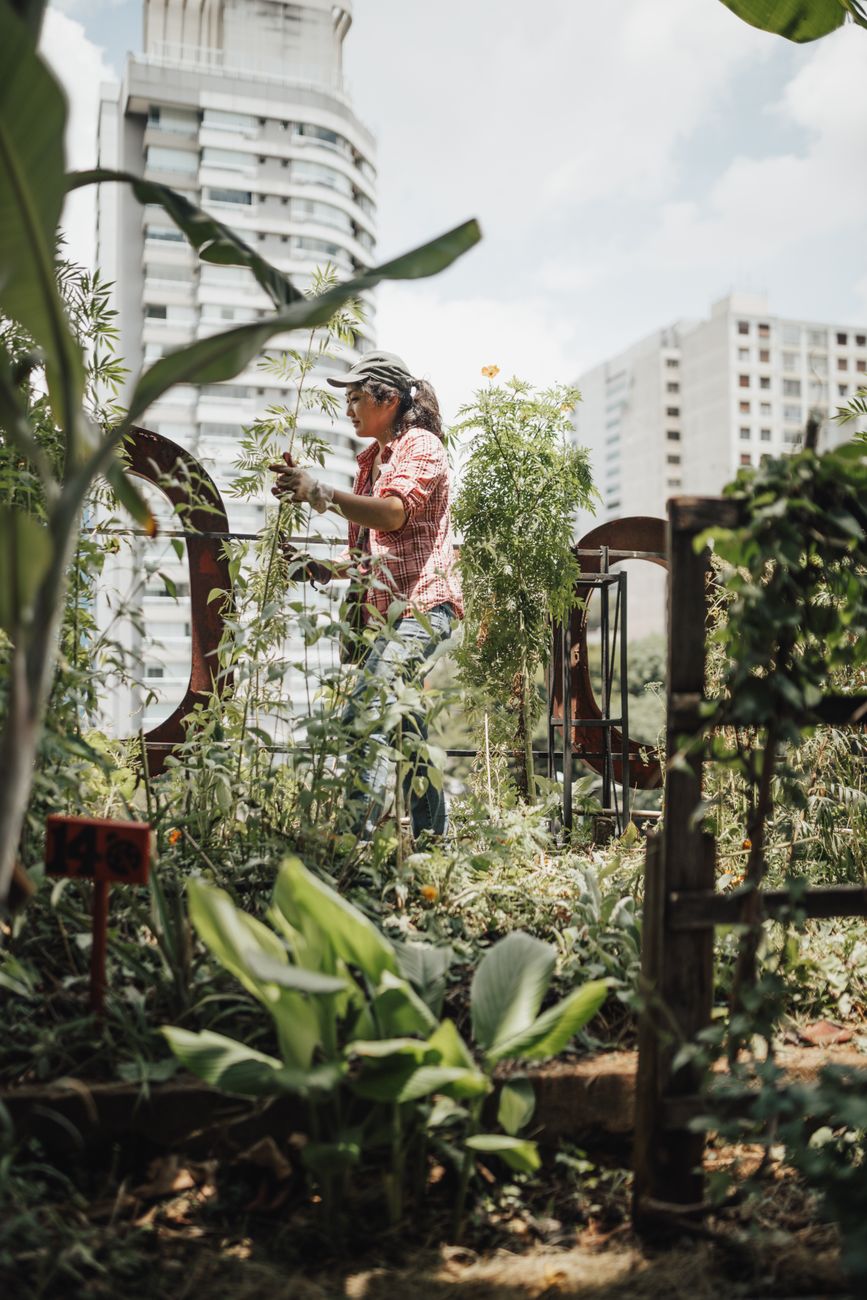
How might we integrate sustainable food spaces into rapidly urbanising areas to ensure access to fresh and local produce?
Key Whakaaro & Ideas – Resilience & Kai Sovereignty
There is a need to secure spaces to grow food, which could include:
- Garden allotments in council parks/land and fruit trees on berms
- Make it conditional for developers to include space to grow/fruit trees
- Utilising spaces in carparks to grow food
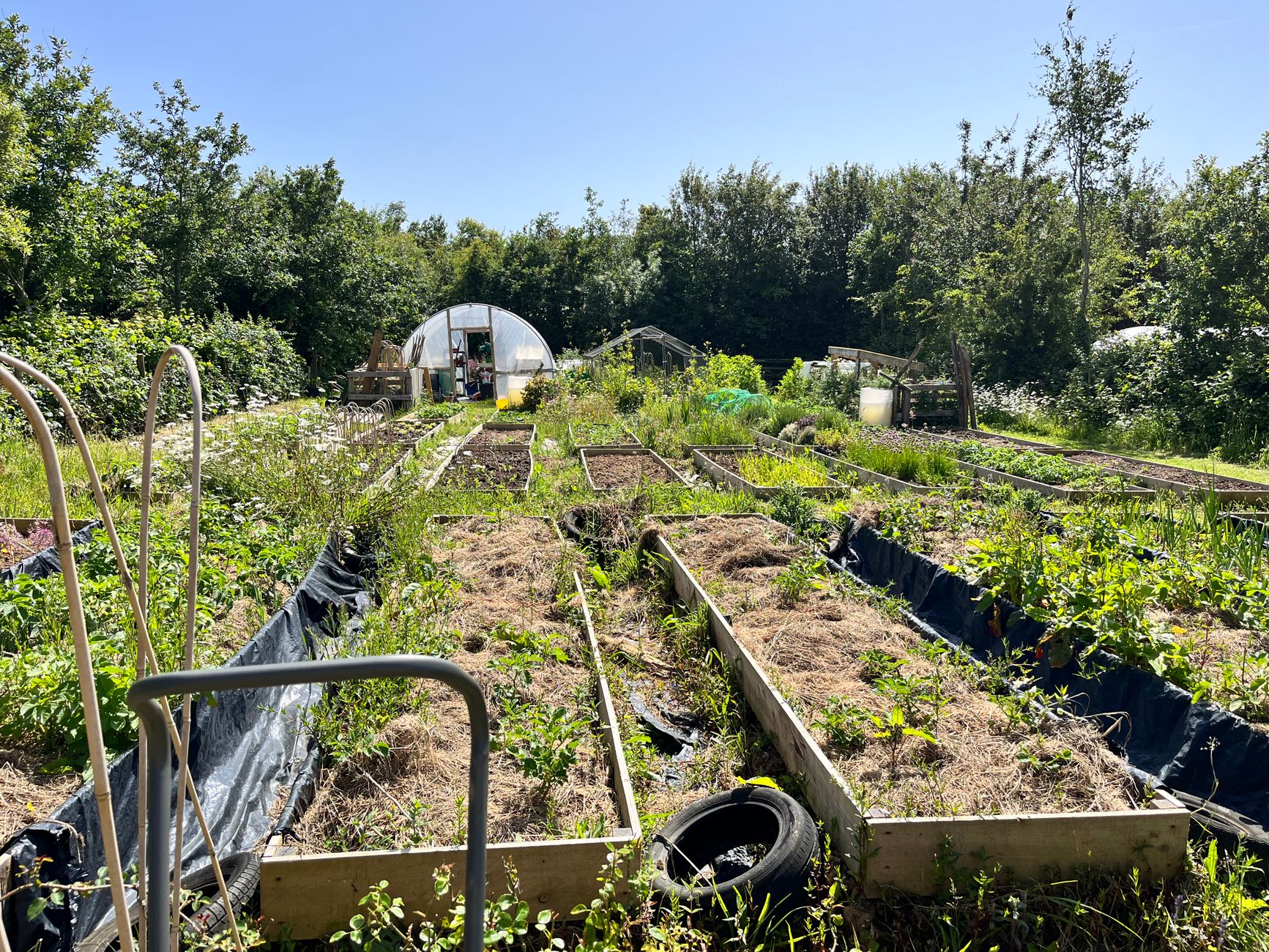
- Grow food on large private sections/share space with other growers in the area
- Advocate for fast-tracking the development of the local Marae, which will include a māra kai
- Community growing food in schools with the support of initiatives like Awhi Mai, OKE and Garden To Table
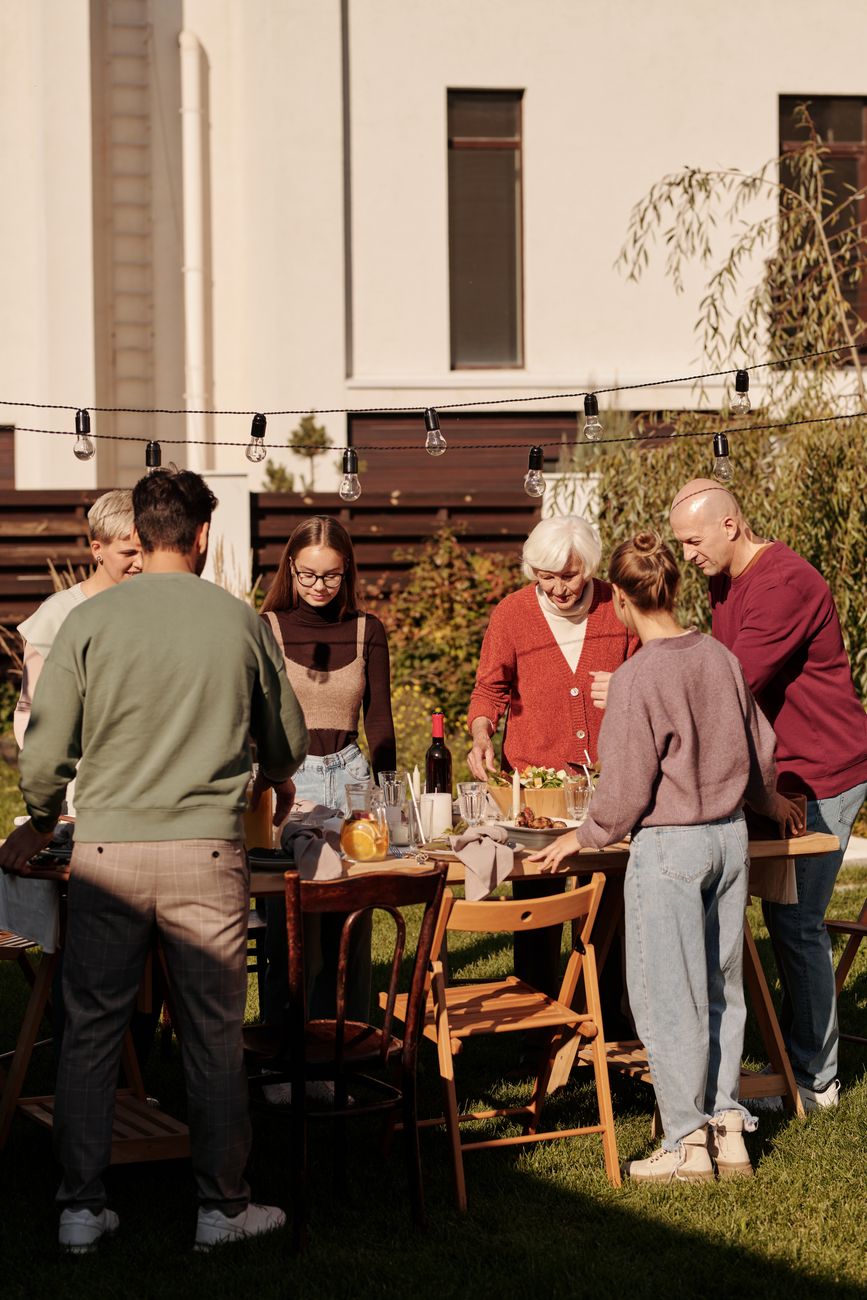
- Restore mahinga kai areas where community can reconnect with the whenua and express kaitiakitanga, ensuring the environment can sustain future generations
- Engage food-growing on supporting gardens whilst the supermarket is closed
- Strengthening initiatives that encourage resource and knowledge sharing, such as donating and sharing of tools and seed/seedlings swaps
How might we revive food traditions and strengthen connections to kai across generations and communities?
Key Insights
- Many children don’t recognise once-common foods (e.g., apple cucumbers).
- New residents may not have the same connection to the land and local kai traditions
- Spaces for people to gather and share food knowledge are limited
Key Whakaaro & Ideas – Reconnecting with kai traditions
- Loss of Food Traditions & Disconnection from Kai highlight the need to preserve and share basic traditional food practices and knowledge.
- The Marae will provide a space for whanaungatanga, fostering relationships and inclusivity, ensuring that the local community and new residents can connect with local food traditions, the whenua and Mātauranga Māori.
Some initiative ideas include:
- Gardening and Cooking classes
- Budgeting and waste reduction wānanga
- Shared communal meals using locally grown produce
- Preserving groups
- Māori kai events
- Building community – “ Town meetings”
- Sharing meals and a cuppa
- Competitions to encourage participants to share knowledge- recipes, etc
- Support schools to teach Mātauranga Māori in Schools.
- Invite kuia and kaumatua and gardeners into schools to educate and garden.


You must be logged in to post a comment.